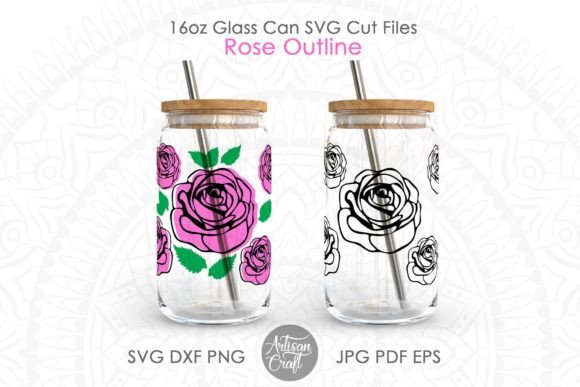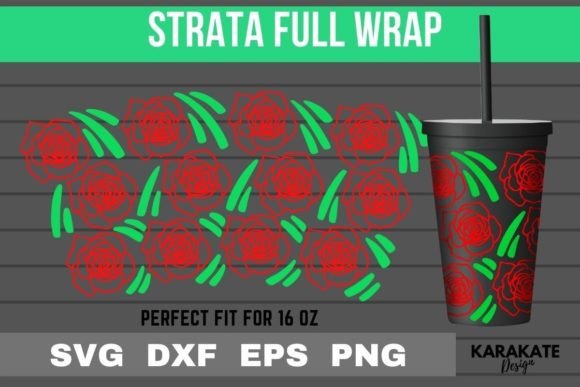
Rose Pattern
First Impressions: A Classic with a Modern Twist
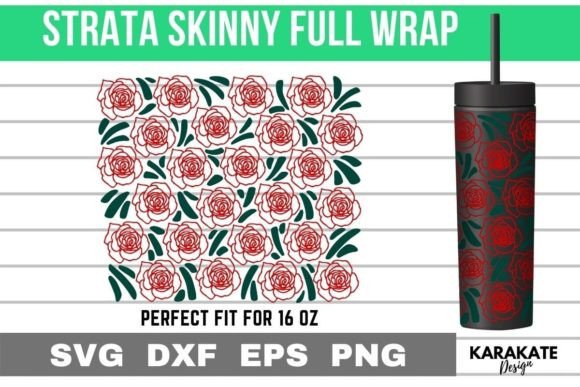
The Rose Pattern immediately evokes a sense of elegance and timeless charm. Its clean lines and symmetrical layout suggest a design that’s both refined and approachable. The rose motif is rendered with a level of detail that feels intentional—petals are soft yet defined, and the overall composition maintains a balanced aesthetic. This makes it a versatile choice for a wide range of embroidery projects.
Design Layout and Detail Level
The Rose Pattern features a single central rose with delicate detailing around its base. It's not overly complex, which is a plus for designers looking to avoid overwhelming their fabric. The use of satin stitch and fill stitch techniques gives the flower a soft, blooming appearance without excessive density. However, the design doesn’t offer much in terms of variation or layers, which might limit its appeal for those seeking more intricate compositions.
One thing to note is the lack of text or additional elements. While this keeps the focus on the rose itself, it also means the design may feel somewhat generic unless paired with other elements in a larger project. For a standalone piece, it works well, but for a more dynamic composition, consider adding complementary shapes or borders.
Real-Life Use Case: Custom Embroidered Tote Bag
Imagine you're preparing a custom embroidered tote bag for a client. You’ve chosen the Rose Pattern as the centerpiece. The design fits nicely on the front panel, offering enough space without feeling cramped. The simplicity of the rose allows it to stand out without competing with other elements like logos or text.
However, the lack of texture in the design could be a drawback when applied to textured fabrics. The Rose Pattern might not show up as clearly on materials like denim or canvas, where fabric texture can obscure fine details. For smoother surfaces like cotton or linen, it performs admirably.
Stitch Density and Hoop Size Considerations
The Rose Pattern has a moderate stitch density, making it suitable for most standard hoop sizes. However, due to its size and complexity, it might require a medium to large hoop depending on how it's scaled. Designers should test the pattern on scrap fabric first to ensure it stitches cleanly and evenly. Testing in black and white mockups can also help identify any potential issues with contrast or clarity.
It’s important to confirm whether the design includes proper stabilizer recommendations. The Rose Pattern is likely compatible with most standard stabilizers, but always double-check before proceeding with a full project.
Where to Use the Rose Pattern Safely
- Light-colored fabrics: The Rose Pattern shines best on light backgrounds, where the colors and details remain visible.
- Smooth surfaces: Avoid using it on stretchy or textured fabrics, as these can distort the design or reduce visibility.
- Small hoops: The Rose Pattern may not fit comfortably in very small hoops, so plan accordingly.
- Decorative accents: It works well as a subtle embellishment on caps, aprons, and pillow covers.
- Personalized gifts: The Rose Pattern is ideal for holiday or wedding gifts, where a classic design adds a touch of sophistication.
- Commercial embroidery: Ensure you have the correct licensing before using the Rose Pattern for mass production or resale.
Visual Appeal and Customer Trust
The Rose Pattern contributes positively to the visual appeal of a finished product. Its clean design and elegant theme make it a great fit for handmade products, especially those targeting a more refined audience. Customers who appreciate classic motifs will likely find the Rose Pattern appealing and trustworthy.
For Etsy sellers or craft business owners, the Rose Pattern offers a reliable option for creating personalized gifts or boutique items. It’s easy to incorporate into a variety of projects, from custom apparel to embroidered patches, ensuring a consistent brand image across different products.
Practical Designer Notes
- Test on scrap fabric: Always do a test run before committing to a full project.
- Check thread color contrast: Ensure the chosen thread complements the fabric and enhances the design.
- Review stitch density: Adjust settings if needed to maintain clarity and even coverage.
- Confirm hoop size: Make sure the design fits comfortably within your machine’s capabilities.
- Inspect small details: Pay attention to corners and edges to ensure everything stitches smoothly.
- Use proper stabilizer: This helps maintain fabric integrity and stitching quality.
- Compare light and dark backgrounds: Test the design on different fabric types to see how it looks in various settings.
- Check licensing: Confirm whether you have the right to sell the Rose Pattern as a finished product or digital asset.
Final Thoughts
The Rose Pattern is a solid choice for designers looking for a clean, elegant design that works well in a variety of contexts. Whether you're creating custom apparel, personalized gifts, or commercial embroidery assets, it offers a reliable and professional look. With careful planning and testing, the Rose Pattern can become a valuable addition to your design toolkit.